


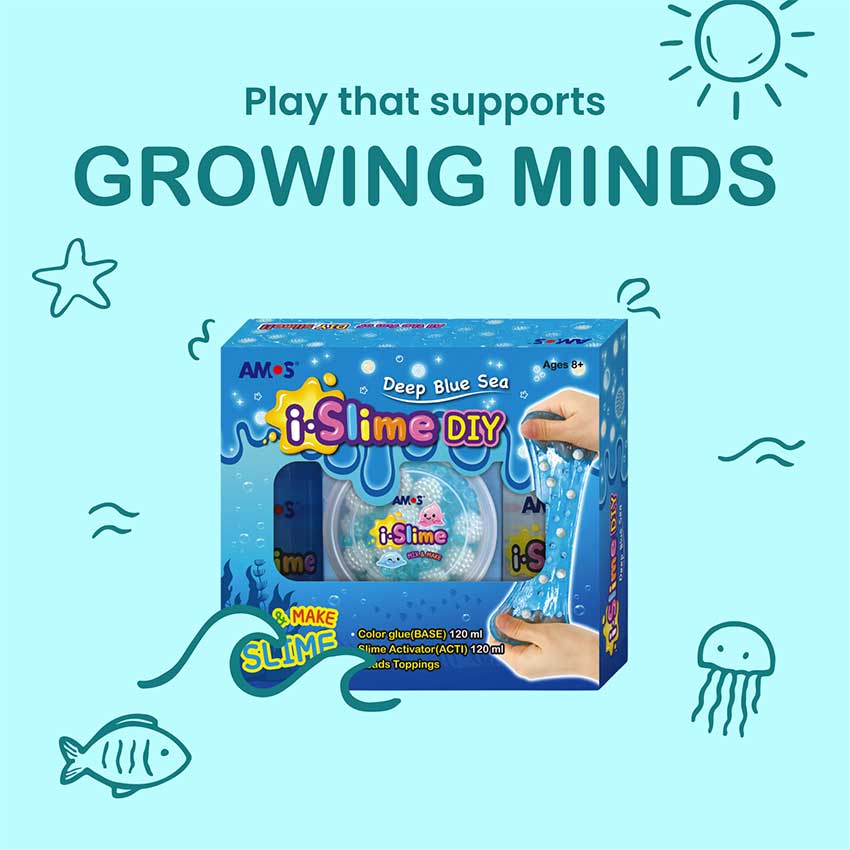
When it comes to childhood development, play is so much more than just fun — it’s a powerful tool for learning, growth, and emotional wellbeing
One of the most effective types of play? Sensory play.
What is Sensory Play?
Sensory play includes activities that stimulate a child’s senses — touch, sight, sound, and movement. Think soft textures, bright colours, and hands-on exploration.
Simple activities like playing with slime or clay allow children to engage fully in the moment, helping them learn through experience rather than instruction.
Why It Matters
Research shows that tactile play — like squishing, stretching, and moulding — can have real developmental benefits:
- Helps children regulate their response to touch
- Supports emotional regulation and reduces anxiety
- Improves focus and concentration
- Encourages creativity and imagination
For children with sensory needs, including those with Autism Spectrum Disorder (ASD), these benefits can be especially impactful.
Learning Through Play
The beauty of sensory play is that it doesn’t feel like learning — it feels like fun.
As children explore different textures and shapes, they are also:
- Strengthening fine motor skills
- Building confidence
- Expressing themselves in a safe, creative way
Bring Play to Life with AMOS iSlime
Looking for a simple way to introduce sensory play at home?
Our AMOS iSlime DIY Deep Blue Sea is the perfect choice for little hands and growing minds ?
With its soft, stretchable texture and ocean-inspired theme, it offers:
- A satisfying, calming sensory experience
- Hands-on, mess-friendly fun
- Endless opportunities for creativity and imaginative play
It’s more than just slime — it’s a playful way to support focus, calm, and confidence ??
Making Every Moment Count
In a world full of screens and distractions, simple, hands-on play is more important than ever.
By encouraging sensory play, you’re not just keeping your child entertained — you’re supporting their development in a fun, meaningful way.
