Youth Day is an important moment to celebrate the potential, creativity, and voices of young people. While many families mark the day with educational discussions or community activities, something simple can make just as powerful an impact: creating art together.
Arts and crafts offer more than just entertainment. When parents sit down with their children to draw, paint, colour, or build something creative, they create meaningful moments that support both emotional development and learning.
Strengthening the Parent–Child Bond
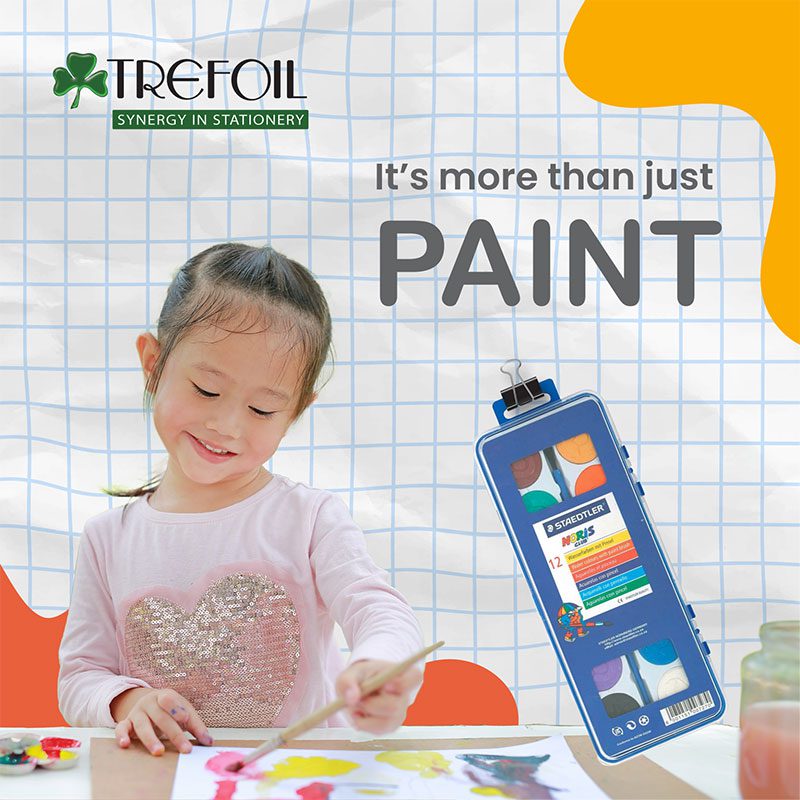
Spending time doing crafts together allows parents and children to connect without the distractions of everyday life. Whether it’s colouring a picture, painting window decorations, or working on a small DIY project, these activities encourage conversation, laughter, and shared accomplishment.
Children often remember these small moments of attention and encouragement far more than the finished artwork itself.
Encouraging Creativity and Self-Expression
Art gives children the freedom to express their ideas and emotions. Through drawing, painting, and crafting, kids learn that their thoughts and imagination matter.
Creative activities help children:
When parents participate, children feel supported and more willing to explore new ideas.
Supporting Learning Through Play
Many arts and crafts activities also help develop essential skills. Painting, colouring, cutting, and gluing strengthen fine motor skills, hand-eye coordination, and concentration.
These playful learning experiences help children build abilities they will later use in school, including writing, focus, and creative thinking.
Creating Meaningful Youth Day Traditions
Youth Day is about recognising the power and potential of young people. Setting aside time for creativity can become a meaningful family tradition that celebrates learning, imagination, and connection.
Parents don’t need elaborate materials or complicated plans. Simple stationery items like colouring pencils, paints, glue, and paper can turn an ordinary afternoon into a memorable creative session.
Sometimes the most powerful way to celebrate youth is simply by spending time nurturing their creativity and imagination.
A Simple Idea to Try at Home
This Youth Day, try a creative activity with your child:
The goal isn’t perfection — it’s spending time together and encouraging creativity.
Celebrating Creativity With Trefoil
At Trefoil, we believe creativity is an important part of growing up. Products like the AMOS Sun Deco 6 Piece Set make it easy for parents and children to enjoy fun, creative activities together.
This Youth Day, set aside some time to paint, create, and celebrate the imagination of the young people in your life — because sometimes the simplest activities create the most meaningful memories. ?
Please note: we sell only to re-sellers and not to the general public

Website Designed and Developed by Lion Marketing